The Hidden Risks of Driving With a Cracked Windshield
Understand why visibility, provincial rules and glass condition deserve attention.
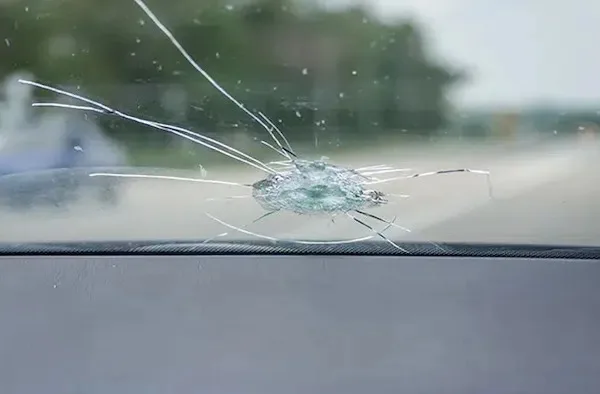
It starts with what you can see
A crack can bend light and introduce reflections across the windscreen. Under low sun, headlights or rain, this may make pedestrians, cyclists or road markings harder to detect. Whether a crack is unsafe depends on its location and effect on the driver’s view—not simply that it exists.
The legal situation varies across Canada
Ontario’s Highway Traffic Act section 74(1)(a) requires the windshield and adjacent windows to allow a clear view. In British Columbia, section 7.05(1) of the Motor Vehicle Act Regulations prohibits operating a vehicle whose glass condition impairs driver vision. A small chip is not an automatic offence in every case, but damage obstructing your view can create legal exposure.
Why glass condition matters in a crash
The windshield is part of the vehicle’s safety design. ICBC explains that windshield condition can matter for airbag deployment and occupant protection in certain collisions. Do not treat a badly cracked windshield as only a cosmetic defect.
What to do before continuing your trip
If you cannot see clearly, stop somewhere safe and arrange advice or transport rather than attempting to drive with impaired visibility. Take a daylight photo, document whether the crack has grown and avoid extremes of heat until the damage can be evaluated.
An assessment is more useful than a guess
A professional can check whether the break is stable, whether it crosses the driver’s viewing area and whether repair is suitable. The presence of driver-assistance cameras may also affect the recommended next step.
Not sure what to do with your windshield?
A professional can review your description and explain what the next step may involve. No payment is required to send your request.